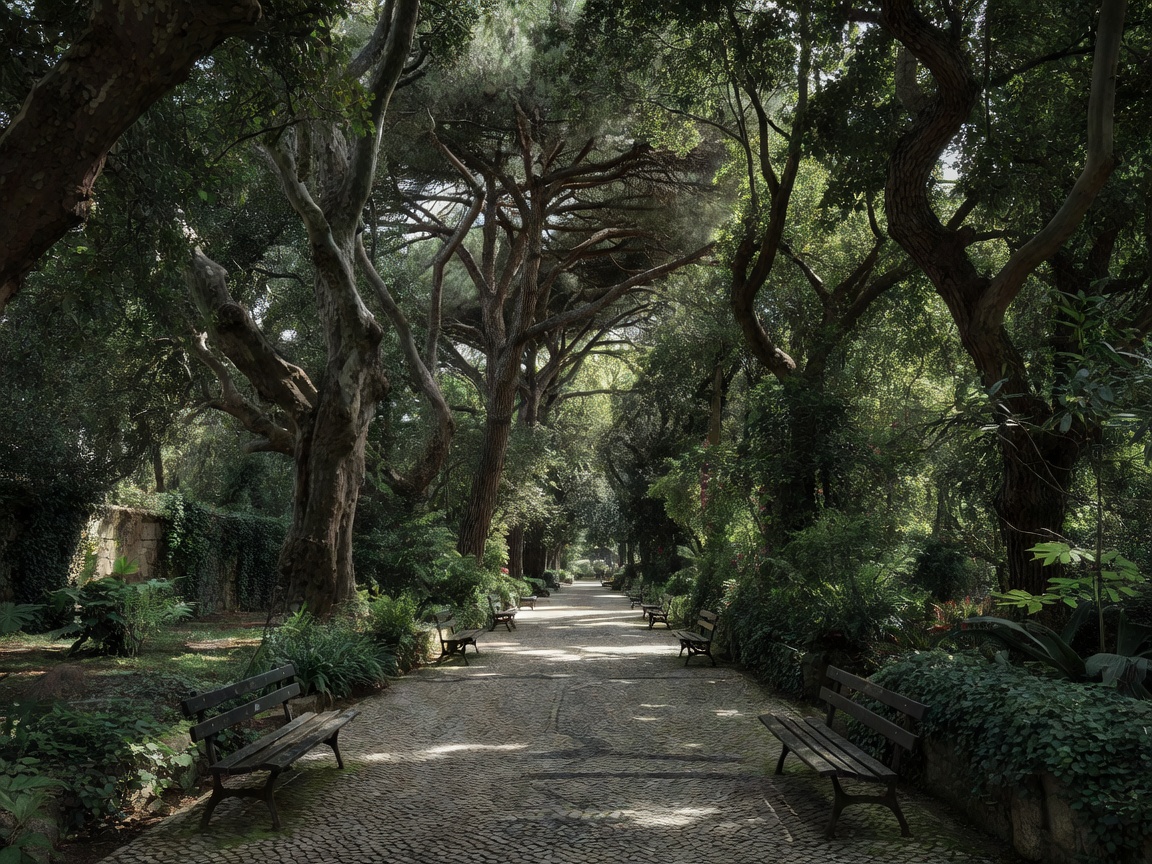
Jardim da Estrela
A romantic 19th-century garden opposite the Basílica, with a wrought-iron bandstand, duck pond and kiosk cafés under tall shade trees.
Read the guidePortugal · Free Parks & Museums
An editorial field guide to Lisbon's shaded gardens, a money museum that asks nothing at the door, the national tile museum's free-entry conditions, and the park where Porto meets the Atlantic.
The guides
Each guide covers entry rules, opening hours, location, accessibility and nearby transport — with honest notes on what is free, what is conditional, and what costs extra.
A romantic 19th-century garden opposite the Basílica, with a wrought-iron bandstand, duck pond and kiosk cafés under tall shade trees.
Read the guide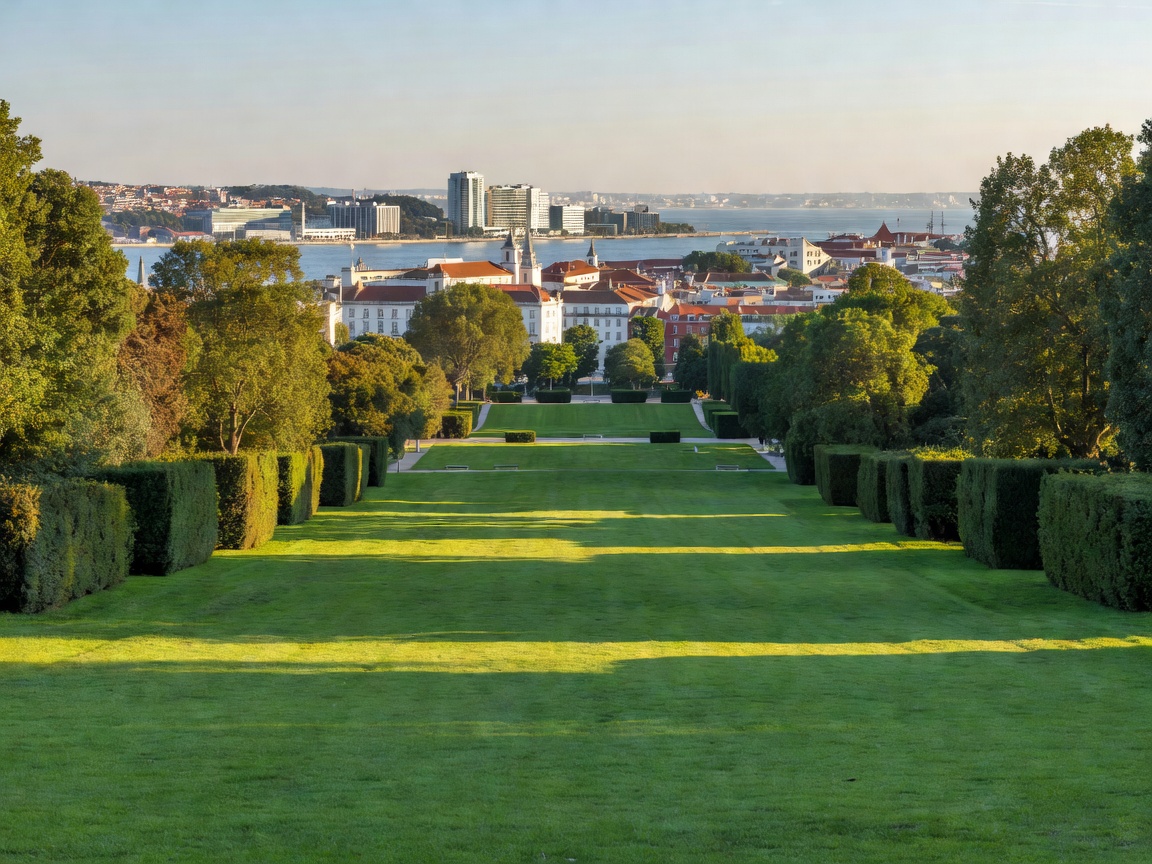
Lisbon's grand central park, with clipped box hedges and one of the city's best free views straight down to the Tagus.
Read the guide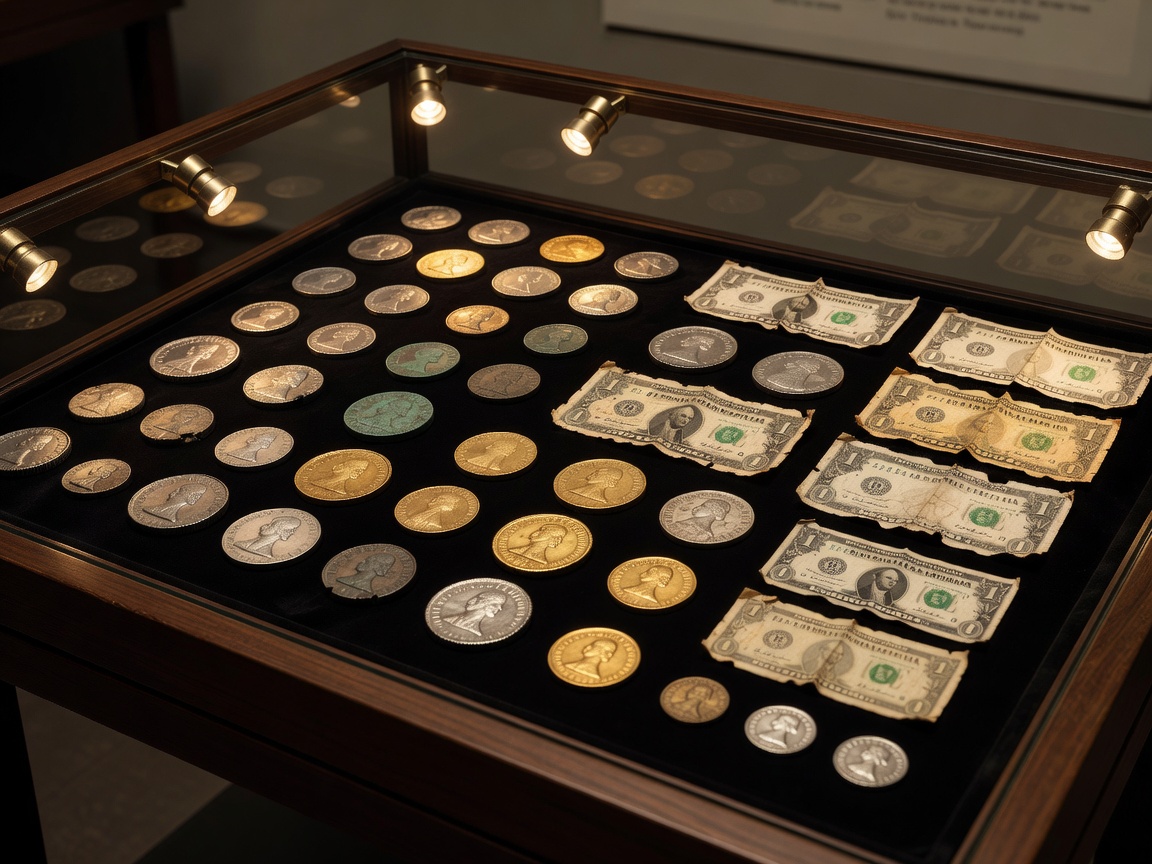
The Banco de Portugal's money museum, set inside a former church with a medieval city wall beneath it.
Read the guide
Five centuries of Portuguese tiles in a former convent. Paid for most visitors — here's who may enter free, and when.
Read the guide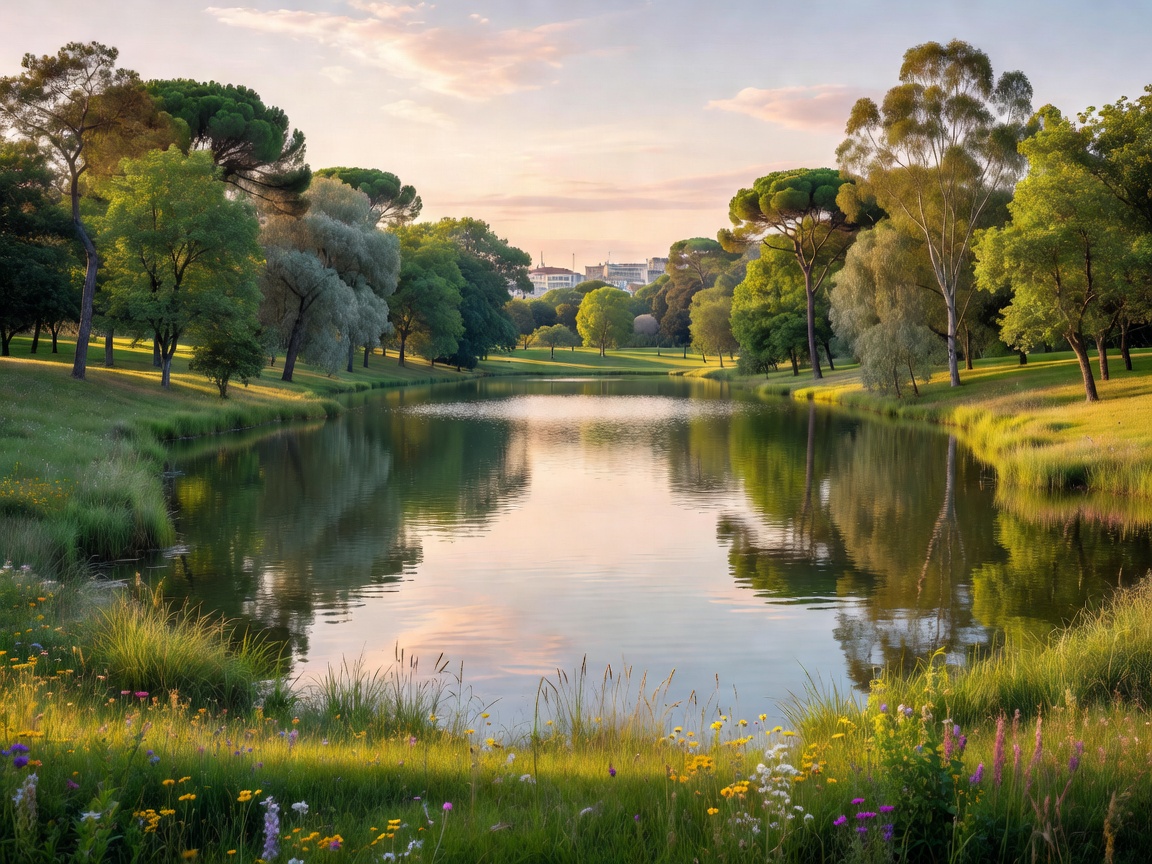
Portugal's largest urban park: lakes, meadows and long trails that roll out to the Atlantic seafront.
Read the guideInteractive map
Select a pin — or a name from the list — to see entry rules, hours and the nearest transport. Lisbon's four entries are shown in the enlarged inset.
Lisbon · Opposite the Basílica da Estrela. Tram 28 stops outside; Rato metro is a walk away.
Open the guidePlanning notes
Opening hours and free-entry rules in Portugal are set by city councils, the national museums body and private institutions, and they change. Our guides summarise published information and link to official sources — treat the official page as final.
Lisbon's free sites cluster well. Start with Museu do Dinheiro in the Baixa, ride uphill to Jardim da Estrela for lunch in the shade, and finish at sunset on the upper lawns of Parque Eduardo VII.
Entry may be free, but transport isn't. A rechargeable public-transport card is usually the cheapest way to hop between Lisbon's metro, buses and trams, and Porto has its own equivalent system.
The best free things in Portugal are often the slowest: a bench under a plane tree, a tile panel you can study for as long as you like, an Atlantic breeze at the edge of a park.