A royal name and a city-scale view
Parque Eduardo VII occupies roughly 26 hectares on the hillside rising north from Praça Marquês de Pombal. It was renamed in honour of King Edward VII of the United Kingdom after his visit to Lisbon in 1903, a gesture towards the long-standing alliance between the two countries. Before that, it was known as Parque da Liberdade, a natural continuation of the avenue below.
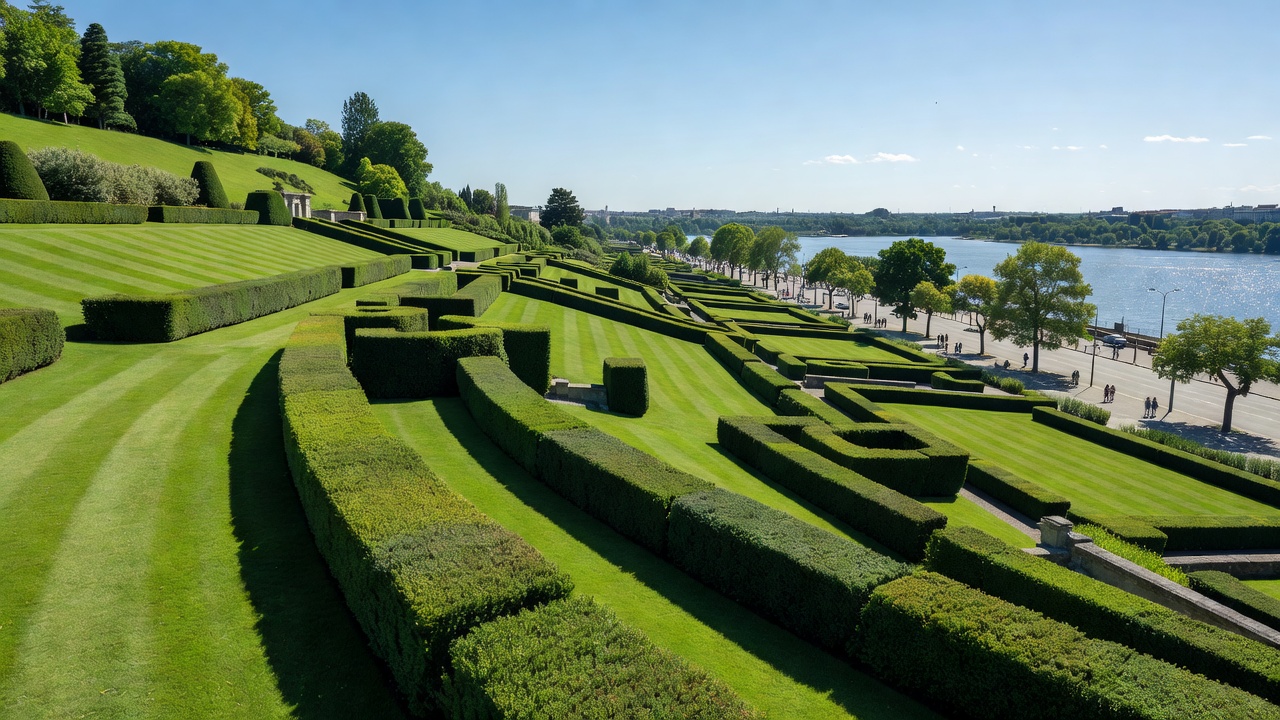
The park's defining feature is its central axis: a long, steep lawn framed by clipped box hedges in geometric patterns. Stand at the top and the view unfolds in a straight line — the Marquês de Pombal roundabout, Avenida da Liberdade, the Baixa and, on clear days, the river and the far bank. It is one of the few major Lisbon viewpoints where you have space to spread out rather than jostle at a railing.
What to see
- The upper viewpoint. At the top of the park, a broad terrace and a flagpole area give the classic postcard view down the slope.
- The 25 de Abril monument. Near the summit stands a monument by sculptor João Cutileiro commemorating the 1974 Carnation Revolution — an abstract, much-discussed piece.
- Estufa Fria. Tucked into the western side of the park is the Estufa Fria, a shaded "cold greenhouse" of ferns, ponds and tropical plants. Note that this is not free: it has its own paid ticket and set opening hours.
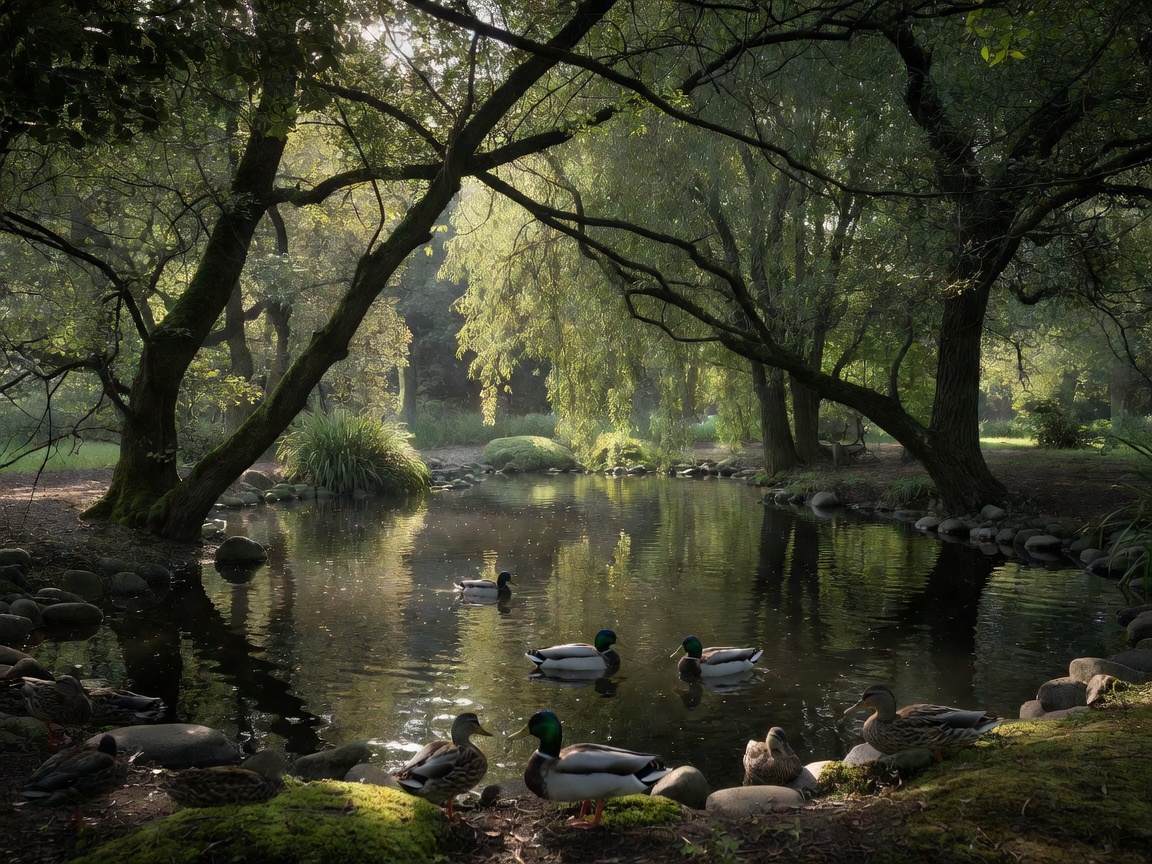
- Side paths and shaded groves. The flanks of the park are more wooded, with quieter paths away from the central lawn.
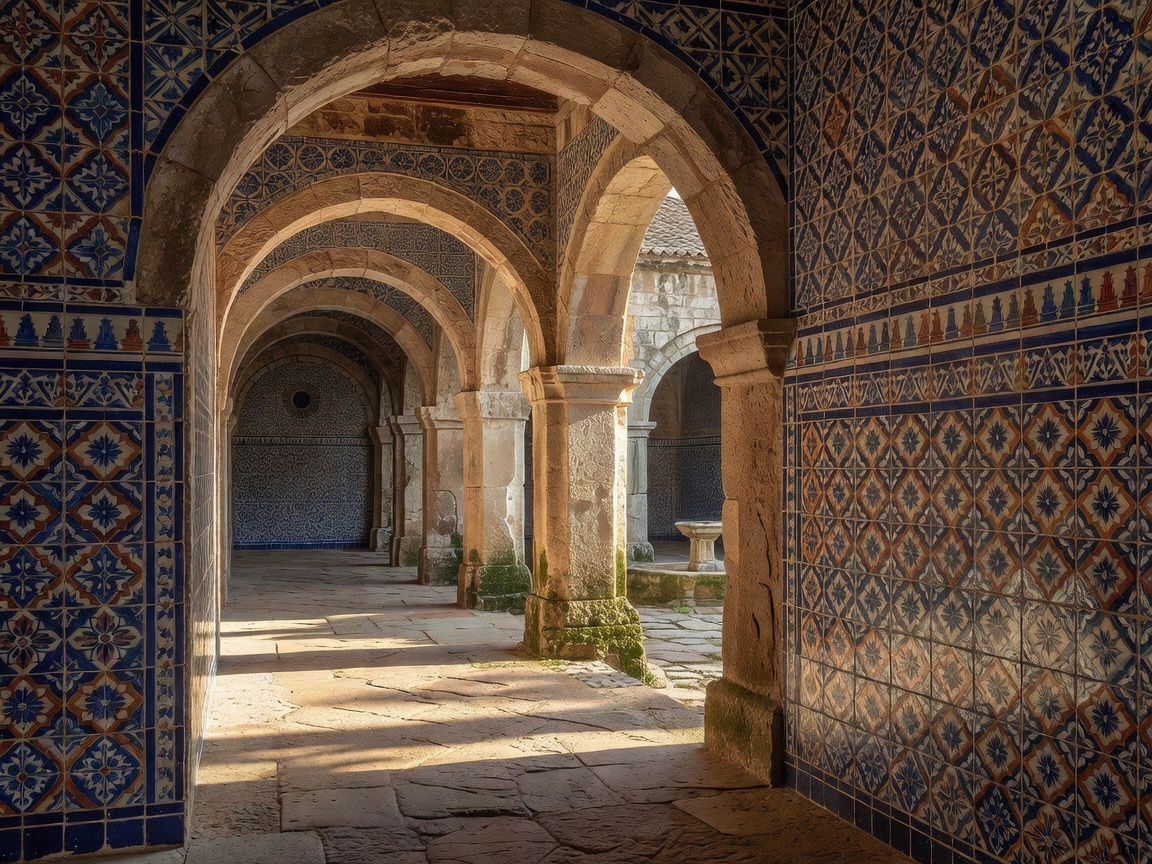
- Pavilhão Carlos Lopes. On the park's edge, this tile-decorated pavilion is used as an events venue; its exterior is worth a look even if nothing is on.
The Lisbon Book Fair
Each year, usually in late spring, the park hosts the Feira do Livro de Lisboa, when publishers' stalls line the central slope. Browsing is free, and the fair often includes author events and evening opening. It's one of the liveliest times to visit, though the lawn is largely given over to the fair while it runs.
Pros and cons
Pros
- Free, open-access park in the centre of the city
- Spacious, uncrowded viewpoint
- Directly served by several metro stations
- Good for runners, picnics and a sunset stop
Cons
- The central lawn is steep and exposed to sun
- Limited shade on the main axis in midsummer
- Estufa Fria requires a separate paid ticket
- Traffic noise near Marquês de Pombal
How it compares
| Place | Entry | Shade | View |
|---|---|---|---|
| Parque Eduardo VII | Free | Limited on main lawn | Long view to the Tagus |
| Jardim da Estrela | Free | Excellent | Enclosed garden, no panorama |
| Miradouro de São Pedro de Alcântara | Free | Some trees | Castle and Baixa, often busy |
When to go
Early morning is best for photographs looking south, with softer light and fewer people. Late afternoon brings long shadows across the hedges and a golden cast over the city, though you'll be looking towards the sun at certain times of year. In the height of summer, avoid the midday hours on the central lawn — there is little cover — and use the tree-lined side paths instead.
Accessibility realities
The park is built on a significant slope, which is its great strength for views and its main challenge for mobility. The central axis is steep. Surfaces include traditional Portuguese stone paving (calçada), which can be uneven and slippery when wet. For a gentler approach, consider arriving at the top of the park by taxi or bus and descending gradually, or using the side avenues, which have more moderate gradients. Check the Metropolitano de Lisboa site for lift availability at nearby stations.