Is it free? The short answer
Not for everyone. Standard admission is paid. Free entry applies only to specific categories of visitor and, for some categories, only on designated days. The rules for Portugal's national museums are set by the public body Museus e Monumentos de Portugal and have changed several times in recent years. Always confirm on the official Museus e Monumentos de Portugal website before you travel, and bring proof of eligibility.
Who may qualify for free entry
Categories that have historically qualified for free or zero-cost admission at Portuguese national museums include the following. Treat this as a checklist of what to ask about, not a guarantee:
- Young children below a set age limit, typically accompanied by an adult.
- Residents of Portugal on designated free-entry days or within an annual free-visit allowance — proof of residence is normally required.
- Specific groups such as registered unemployed residents, accompanying teachers on organised school visits, and members of professional museum bodies like ICOM, usually with documentation.
- Special dates such as International Museum Day (18 May) or the European Night of Museums, when national museums often offer free or reduced entry.
If you don't fall into one of these groups, you will pay the standard adult ticket. Discounts may also exist for seniors, students and families; these reduce rather than remove the price.
Why it's worth visiting even if you pay
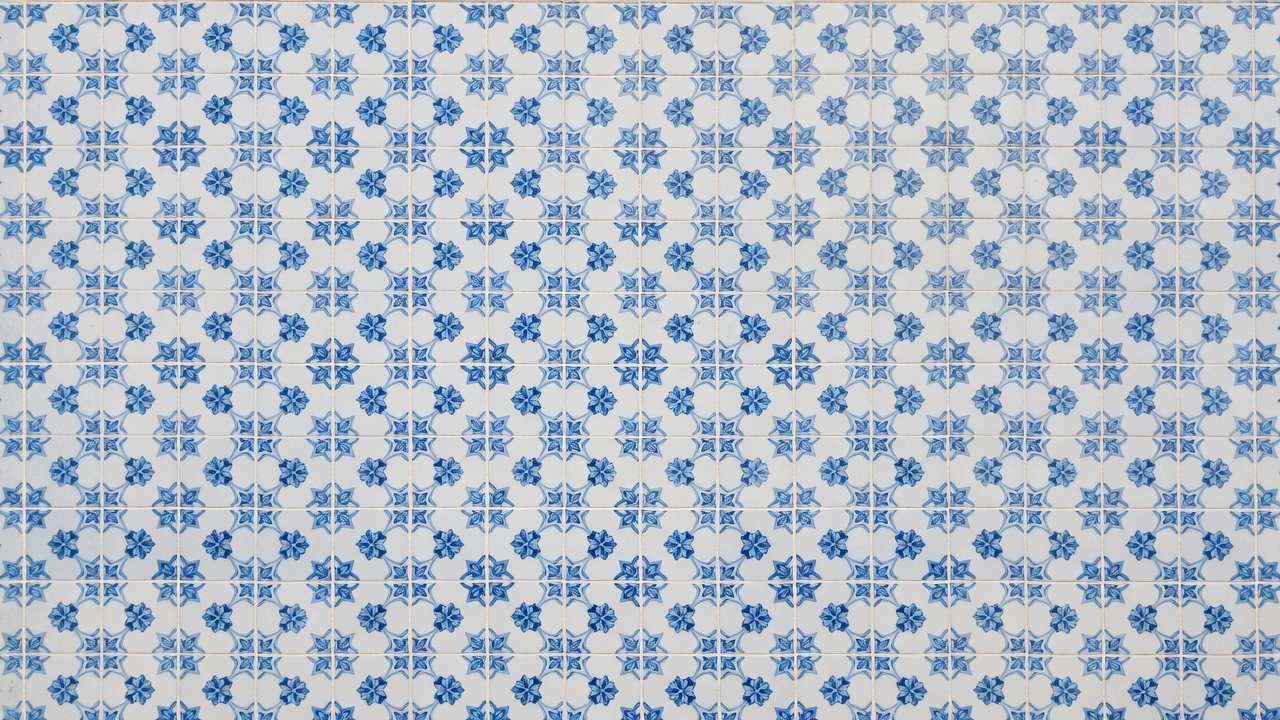
The museum occupies the Convento da Madre de Deus in the Xabregas area east of the city centre, founded in 1509 by Queen Leonor. Its collection traces the azulejo — the glazed ceramic tile that defines so much of Portugal's streetscape — from 15th-century Hispano-Moresque pieces through Renaissance, Baroque and industrial production to contemporary artists.
- The great Lisbon panorama. A long tile panel of more than 20 metres shows the city's riverfront before the 1755 earthquake, a rare visual record of a Lisbon that no longer exists.
- The Madre de Deus church. The convent church is a showpiece of gilded woodwork (talha dourada), paintings and tiles — often the most memorable room of the visit.
- Chapels and cloisters. Tiled cloisters and chapels show how azulejos were used architecturally, not just as decoration.
- Techniques. Displays explain how tiles were made, painted and fired, and how styles shifted from polychrome patterns to the famous blue-and-white.
Pros and cons
Pros
- The definitive collection of Portuguese tiles
- Spectacular convent church
- Free entry possible for eligible visitors
- Quieter than central Lisbon museums
Cons
- Paid for most international adult visitors
- Eligibility rules change and require proof
- Out of the centre, no metro at the door
- Closed on Mondays
Free-entry routes compared
| Route | Who | What to bring |
|---|---|---|
| Age-based exemption | Young children | Proof of age if requested |
| Resident allowance or free days | People resident in Portugal | ID or residence document |
| Status-based exemption | Eligible groups (e.g. ICOM members) | Valid membership or official proof |
| Special event days | Varies by event | Check event announcements |
Timing and practicalities
The museum's published hours have typically been Tuesday to Sunday, daytime, with Mondays and certain public holidays closed. Free days for residents can be busy; arriving at opening time gives you calmer rooms. Allow two hours to see the collection properly. There is a café within the convent complex, set around a courtyard, if you want to linger.
From the centre, Carris buses run east along the riverside roads towards Xabregas. Santa Apolónia station (metro and train) is roughly a 20-minute walk along a busy but flat route.