Why this garden belongs on a free itinerary
Officially named Jardim Guerra Junqueiro but known to almost everyone as Jardim da Estrela, this garden sits directly across the square from the Basílica da Estrela, whose white dome is one of the landmarks of western Lisbon. It opened in the mid-19th century as a public garden in the English romantic style, and it still feels like a neighbourhood living room: grandparents on benches, children on the playground, office workers with a coffee from one of the kiosks.
There is no gate fee, no timed ticket and no booking. You simply walk in. For travellers watching their budget, that makes it one of the easiest restorative stops in the city, especially on hot afternoons when Lisbon's hills and cobbles start to take their toll.
What you'll find inside
The layout rewards slow wandering rather than a checklist, but a few features stand out:
- The bandstand. An ornate wrought-iron bandstand (coreto) stands near the centre of the garden. It originally belonged to the Passeio Público, the promenade that preceded Avenida da Liberdade, and was moved here in the 20th century.
- Ponds and wildlife. A small lake with ducks and other waterfowl draws families, and the garden's resident birds are a constant soundtrack.
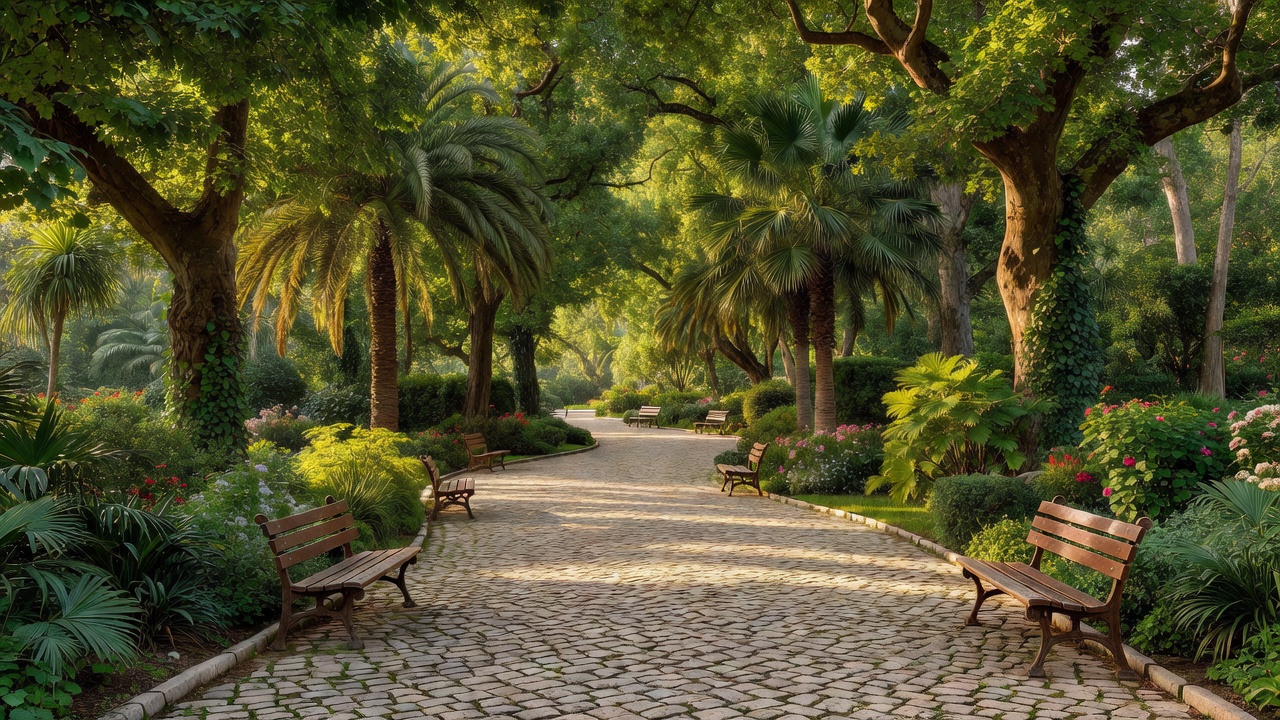
- Mature and exotic trees. Palms, broad shade trees and subtropical specimens give the garden a lush, almost botanical feel — a reminder of Lisbon's long links with the wider world.
- Kiosks and cafés. Kiosk cafés with outdoor tables sell coffee, pastries and light meals. Buying something is entirely optional; the benches are free.
- Playground. A fenced children's play area makes this one of central Lisbon's most family-friendly green spaces.
Getting the timing right
The garden is generally open from early morning until late in the evening, with exact times set by Lisbon City Council. Mornings are quiet and cool, ideal for photography when the light slants through the canopy. Weekend afternoons are livelier, and occasional markets or cultural events may take place in or around the garden. In summer, the shade under the larger trees can make a noticeable difference compared with the exposed miradouros elsewhere in the city.
Pros and cons
Pros
- Completely free, no booking required
- Excellent shade on hot days
- Mostly gentle, paved paths
- Easy to combine with tram 28 and Campo de Ourique
- Kiosk cafés and public benches
Cons
- No sweeping river views
- Busy with families at weekends
- Historic trams on the route are not step-free
- Kiosk prices higher than neighbourhood cafés
How it compares with other Lisbon gardens
| Garden | Entry | Terrain | Best for |
|---|---|---|---|
| Jardim da Estrela | Free | Mostly flat, paved | Shade, families, a slow picnic |
| Parque Eduardo VII | Free (Estufa Fria paid) | Steep slope | Views, open lawns, events |
| Jardim do Príncipe Real | Free | Flat, compact | People-watching, nearby shops |
Make a half-day of it
Cross the square to the Basílica da Estrela, completed in the late 18th century. The church interior can usually be visited without charge, while access to the roof terrace and dome is a separate paid visit. From there, walk west into Campo de Ourique, a residential grid of streets with a well-known covered market, independent shops and bakeries.
If you continue on tram 28 towards its western terminus, you reach the Cemitério dos Prazeres, one of Lisbon's historic cemeteries, known for its avenues of family mausoleums and cypress trees. It is a peaceful, free and often overlooked stop.
Practical tips
- Bring a refillable bottle; public drinking fountains may be available but are not guaranteed to be working.
- If you ride tram 28, board early in the day to avoid the crowds that build towards midday.
- Carry a small amount of cash for kiosks, although card acceptance has become common.
- Check the Lisbon City Council website for closures, works or event notices.