A museum inside a church, above a city wall
Museu do Dinheiro — the Money Museum — is run by the Banco de Portugal, the country's central bank, and occupies the former Igreja de São Julião on Largo de São Julião, a few steps from Praça do Município in the Baixa. The church was rebuilt after the 1755 earthquake and later became part of the bank's headquarters. Its conversion into a museum opened the building to the public, and entry is free.
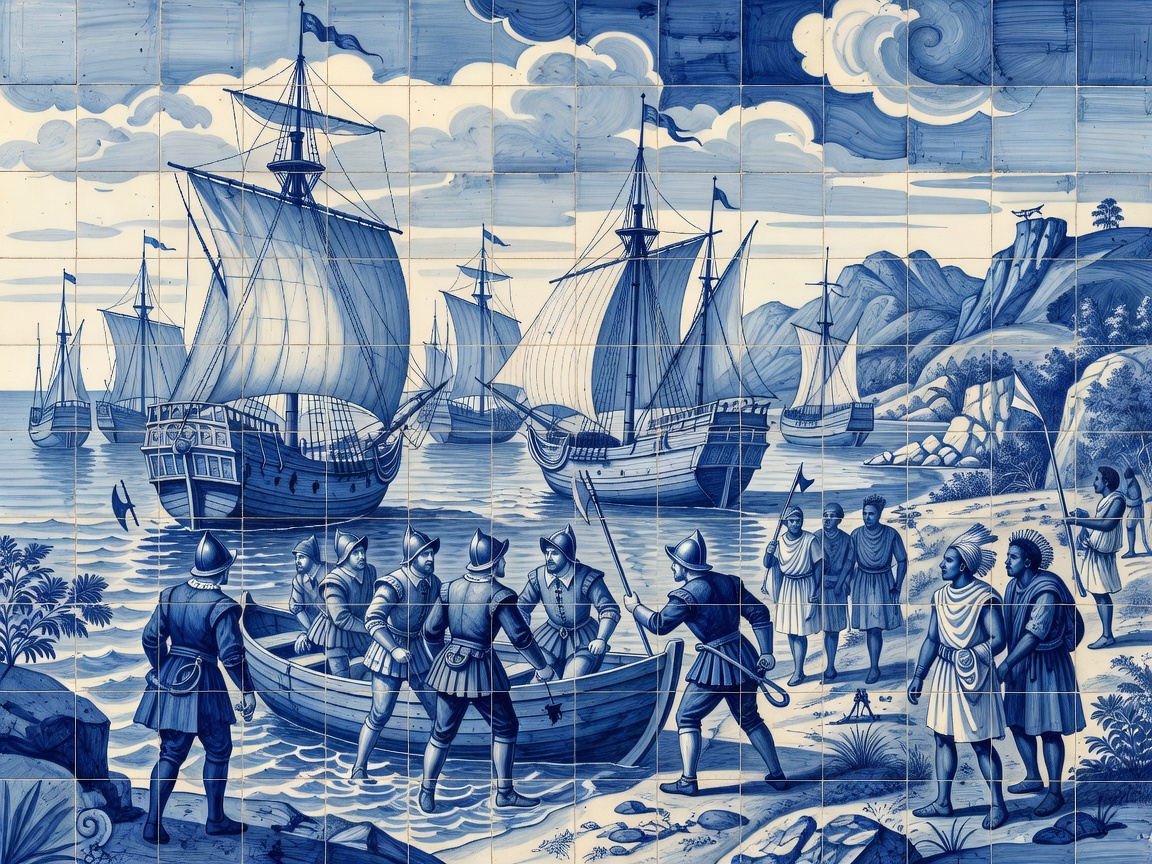
During restoration works, archaeologists uncovered a substantial stretch of the Muralha de D. Dinis, a defensive wall built in the late 13th and early 14th centuries under King Dinis to protect Lisbon's riverside. That discovery became part of the visit: an interpretation centre at basement level lets you walk alongside the stonework and understand how the medieval shoreline shaped the city you see today.
What's inside
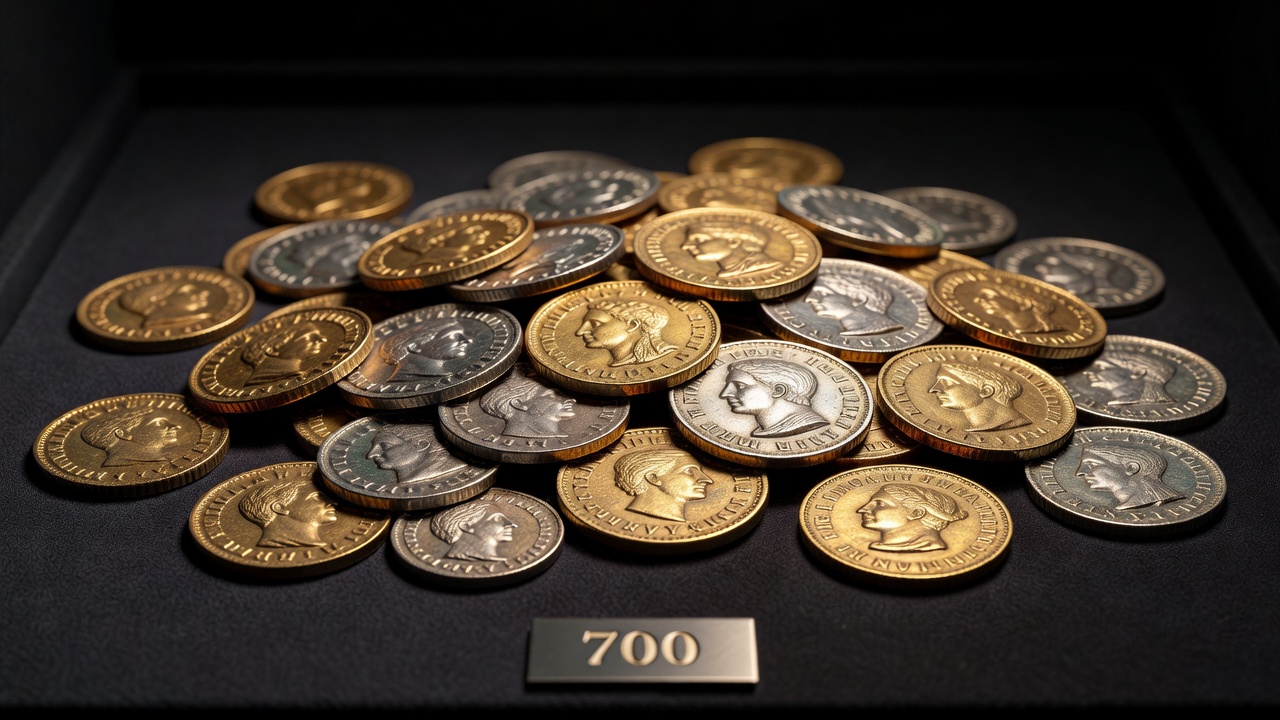
The permanent exhibition traces the story of money from barter and early coinage to banknotes, electronic payments and the euro. Rather than a static cabinet of coins, much of it is designed to be interactive and family-friendly.
- The history of money. Displays cover coinage from many periods and places, alongside Portuguese banknotes and the tools used to design and secure them.
- A real gold bar. One of the museum's best-known exhibits is a genuine gold bar that visitors can touch through a secured display — a small thrill that tends to draw a queue.
- Make your own banknote. An interactive station lets you create a novelty banknote with your own photo on it, a popular souvenir that costs nothing.
- Security features. Hands-on panels explain watermarks, holograms and other anti-counterfeiting techniques.
- The church interior. Look up: the architecture of São Julião is part of the experience, with the galleries fitted sensitively into the nave.
How long to allow
Most visitors spend around an hour to ninety minutes, including the wall. Children tend to stay longer at the interactive stations. Because entry is free, it's also a good "top-up" visit: drop in for thirty minutes between other Baixa sights, or use it as a cool, calm refuge on a hot afternoon.
Opening days
The museum does not open every day of the week. Its published schedule has typically been Wednesday to Saturday, from mid-morning to early evening, with closures on some public holidays. Because schedules can change, check the official Museu do Dinheiro website before planning around it. Guided visits and workshops may be offered for groups and schools, sometimes by advance booking.
Pros and cons
Pros
- Free admission for everyone
- Central location near Praça do Comércio
- Interactive, good for children and teenagers
- Two sights in one: museum and medieval wall
Cons
- Limited opening days each week
- Security checks at the entrance can cause short waits
- Smaller than Lisbon's major national museums
How it compares with other Baixa visits
| Place | Entry | Booking | Best for |
|---|---|---|---|
| Museu do Dinheiro | Free | Not needed for individuals | Families, history of money, medieval wall |
| Núcleo Arqueológico da Rua dos Correeiros | Guided visits, traditionally free | Usually required | Roman and later archaeology under a bank |
| Praça do Comércio arcades | Free to walk | None | Architecture, river views |
Combining your visit
Largo de São Julião is a short walk from Praça do Comércio, the Rua Augusta arch and the riverside at Ribeira das Naus, where wide steps lead down to the Tagus — a free place to sit and watch the ferries. From there you can take a metro or tram west towards Estrela for an afternoon in the garden, or head up to the Chiado for its bookshops and cafés.